I live in the Driftwood area south of Austin and I have become acquainted wth many, many native plants, herbs and trees over the years. More frequently I am honoring these green friiends in my classes, at presentations and now through this blog. I am going to write about several herbs, all useful and precious ones, but there are many. Enjoy learning about these:
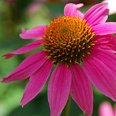
Echinacea, Echinacea purpurea, the Purple Coneflower. A beautiful, stately, landscape and medicinal plant, Echinacea purpurea, as well as Echinacea angustifolia and Echinacea pallida are presently in danger of losing their wild habitat, and are becoming less plentiful and available in the wild as they once were. Echinacea, as many of you already know, is an her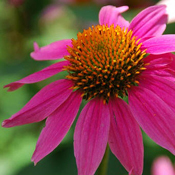 b that is used to boost your immune system. You can use Echinacea as a preventative; i.e. when traveling to avoid getting sick, and to assist your own healthy immune system in fighting a cold, flu or infection. The root, flower, leaves and seed of the Echinacea plant can be used as a tea or tincture and the medicine tingles in your mouth while making its magic. Try some of my Extra Echinacea Tincture which takes 6 months to prepare and is powerful and effective. Scatter fresh seeds in October or plant transplants of this perennial herb in full to part-sun.
Slippery Elm, Ulmus rubra. I have seen Slippery Elm growing along creeks and streams here in Austin. The inner bark of the trunk is harvested and used as a soothing remedy for inflammation. The strong demulcent properties of this herb make it useful for gastro-intestinal irritation and for the throat and lungs. It can be used externally as a poultice for ulcers and abscesses and its highly nutritional value make it useful as a food during convalescence. A small sapling can be planted in your yard and nurtured as a lovely shade tree. I’ve planted two saplings into the ground and the one that is growing in my garden is at least 20 feet high and gorgeous.
Commonly called Butterfly Weed 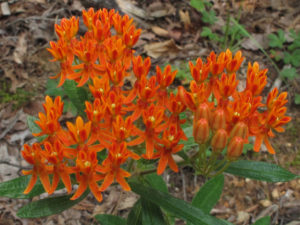 (as it is a favorite home to the Monarch butterfly), or Pleurisy Root, Asclepius tuberosa is a spectacular flower, and sadly, “At-Risk” in the wild. We can easily grow Butterfly Weed from seed, sown in the fall, or it can be propagated from root cuttings. This showy Milkweed is used as a diaphoretic (promotes sweating), antispasmodic, expectorant and a tonic. As one of its common names indicates, it was often used for pleurisy and lung and bronchial congestion.
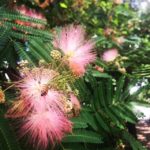
Another local milkweed I love is Inmortal, AKA, Antelope Horns, Asclepius asperula, which grows wild on my front property where it is dry and the soil is shallow. It seems to thrive hardily and is used medicinally. Mid-wives use 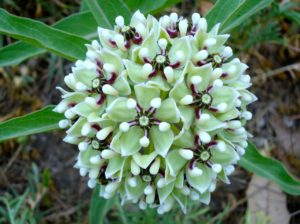 Asclepius asperula, to facilitate childbirth. According to Herbalist, Michael Moore, the aerial part of the plant is good for the Respiratory System and also helpful for the heart. This plant is elusive and oh so beautiful!!. Look at it closely.
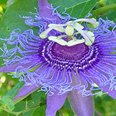
Passionflower, Passiflora incarnata. This easily grown climber’s leaves and flowers are used as an herbal sedative. Fresh Passionflower Tincture is made here at EZ Herbs from the fresh plant. Its non-addictive sedative properties treat insomnia; it can help regulate blood pressure and also acts as a pain killer. It is best to plant a transplant, in the sun in early spring.
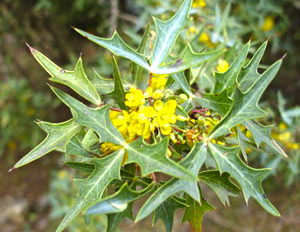
Agarita, Mahonia trifoliolata. This common wild plant grows abundantly in fields, meadows and wooded areas. The stems and bright yellow root of the herb are known for their anti-viral and digestive properties, as it is high in berberine. The tasty red berries are used to make a delicious jam. The Native Americans used it for toothaches. EZ Herbs now carries fresh Agarita Tincture made from freshly harvested branches. Great for digestive health and liver support.
Cedar, Juniperus ashei. This prevalent hardwood tree has useful blue berries that act as a urinary antiseptic. It can also be used for indigestion, colic and flatulence. Eating one juniper berry a day prior to cedar fever season can help ease the uncomfortable symptoms of Cedar Fever.
Other native and naturalized herbs to review and learn more about include:
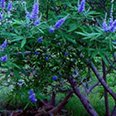
Mullein, Verbascum thapsus; Chasteberry tree, Vitex agnus-castus; Goldenrod, Solidago altissima; Yellow Dock Root, Rumex crispus; Cleavers, Galium aparine; Frostweed, Verbesina virginica; Black Haw, Viburnum rufidulum, Cardinal flower, Lobelia cardinalis, Yaupon, Ilex vomitoria, Prickly pear cactus, Opuntia engelmanni; Turk’s cap, Malvaviscus arboreus v. drummondii
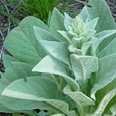
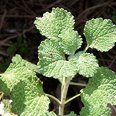
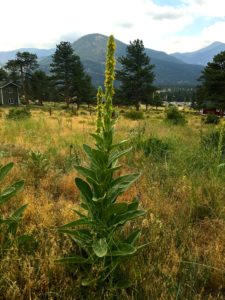 Mullein, Verbascum thapsus, has been used as a complementary medicine for centuries, and in many countries throughout the world. The value of Mullein as a proven medicinal herb is backed by scientific evidence and traditional folklore. Many cultures proclaim Mullein as a highly medicinal herb. I am presently in the high elevation of Colorado and have Mullein all around. It’s beneficial properties for the lungs is important here as I am harvesting and drinking Mullein leaf tea to open the lungs and ease the stress of the thin air. Hiking in the mountains is also excellent and invigorating for the lungs. Some valuable constituents contained in Mullein are Coumarin and Hesperidin as they exhibit many healing abilities. Research indicates some of the uses as analgesic, antihistaminic, anti-inflammatory, anticancer, antioxidant and antiviral. An infusion (medicinal herbal tea), is taken internally in the treatment of a wide range of chest complaints, including asthma and bronchitis. The leaves, root, and flowers are anodyne, anti-inflammatory, antiseptic, antispasmodic, astringent, demulcent, diuretic, emollient, expectorant, nervine, and vulnerary.
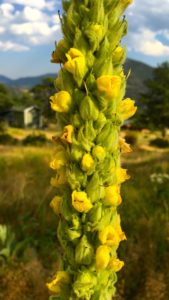 flowers, which are formed in the plant’s second year, are soaked in olive oil and used as earache drops (the flowers are often combined with Garlic for optimum effectiveness). The oil is also useful as a local application in the treatment of piles and other mucous membrane inflammations. This infusion is a strong antibacterial. The oil used to treat gum and mouth ulcers is very effective. A decoction of the roots is used to alleviate toothache and is helpful in relieving cramps and diarrhea. The whole plant possesses slightly sedative and narcotic properties. The seeds are mostly used as a narcotic and also contain saponins. The dried leaves are sometimes smoked to relieve the irritation of the respiratory mucus membranes, and for hacking coughs. The inhaled smoke is mild, but quite effective as an Expectorant. The Native Americans practiced this technique of smoking Mullein and it’s use has been show to be relieving. Externally, a medicinal poultice of the leaves is applied to sunburn, ulcers and hemorrhoids.
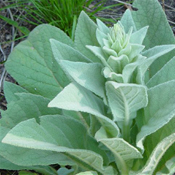 Finally, the leaves of Grandfather Mullein may be used as “Cowboy toilet paper” when you may be hiking in a remote area. Perhaps that’s another reason why it is so abundant here in Rocky Mountain National Park.
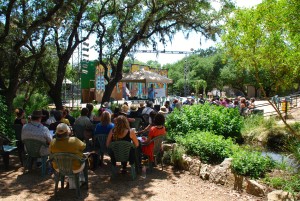 The day was perfect. The weather co-operated, even though it had rained the entire week before, but on Saturday, the day of the event, it was sunny, clear, and barely reached 80 degrees. The venue is shaded with large trees, there was a breeze and everyone was quite comfortable.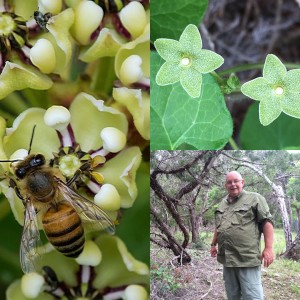

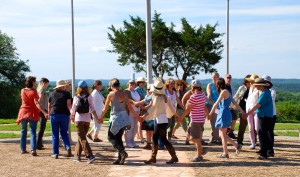 We ended the day atop the hill where a 360 degree view of the Texas hill country waited to astound you. We had fun doing a wrap-up where I got to hug everyone, and a Vortex circle, where we each were able to look into one another’s eyes, smile and be together one last time for the day.
 purchasing over-the-counter or prescription medicines.
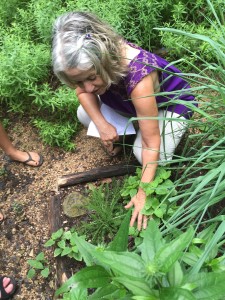 Being out in the garden planting and nurturing your plants is a practice of mindfulness, patience and caring. These qualities help to maintain and develop one’s emotional stability.
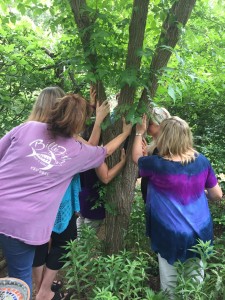 Working with plants helps develop a deep spiritual practice as one communes with nature. Experiencing the outside world helps you to feel connected to the plant world, the animal world, the air, water and soil that nourishes all of us.