I live in the Driftwood area south of Austin and I have become acquainted wth many, many native plants, herbs and trees over the years. More frequently I am honoring these green friends in my classes, at presentations and now through this blog. I am going to write about several herbs, all useful and precious ones, but there are many. Enjoy learning about these:
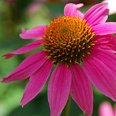
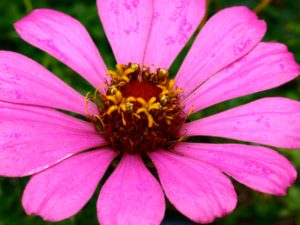
Echinacea, Echinacea purpurea, the Purple Coneflower. A beautiful, stately, landscape and medicinal plant, Echinacea purpurea, as well as Echinacea angustifolia and Echinacea pallida are presently in danger of losing their wild habitat, and are becoming less plentiful and available in the wild as they once were. Echinacea, as many of you already know, is an herb that is used to boost your immune system. You can use Echinacea as a preventative; i.e. when traveling to avoid getting sick, and to assist your own healthy immune system in fighting a cold, flu or infection. The root, flower, leaves and seed of the Echinacea plant can be used as a tea or tincture and the medicine tingles in your mouth while making its magic. Try some of my Extra Echinacea Tincture which takes 6 months to prepare and is powerful and effective. Scatter fresh seeds in October or plant transplants of this perennial herb in full to part-sun. You can use Echinacea as a preventative; i.e. when traveling to avoid getting sick, and to assist your own healthy immune system in fighting a cold, flu or infection. The root, flower, leaves and seed of the Echinacea plant can be used as a tea or tincture and the medicine tingles in your mouth while making its magic. Its ability to allay nausea makes it palatable during that time.
Slippery Elm, Ulmus rubra. I have seen Slippery Elm growing along creeks and streams here in Austin. The inner bark of the trunk is harvested and used as a soothing remedy for inflammation. The strong demulcent properties of this herb make it useful for gastro-i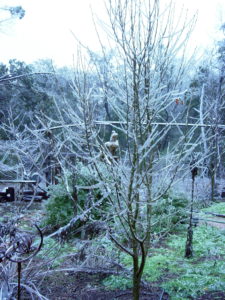 ntestinal irritation and for the throat, lungs and kidneys. It can be used externally as a poultice for ulcers and abscesses and its highly nutritional value make it useful as a food during convalescence. A small sapling can be planted in your yard and nurtured as a lovely shade tree. I’ve planted two saplings into the ground and the one that is growing in my garden is at least 20 feet high and gorgeous. Here it is full of unusual ice during a rare Austin winter.
The potent remedy of the inner bark should be harvested from a 10 year old bark. We need to wait for Slippery Elm. Also known as Indian Elm, Moose Elm, Sweet Elm, Soft Elm and more, Slippery Elm is a soothing remedy for inflammation, particularly gastro-intestinal irritation. I also like it for respiratory issues, and use it as my demulcent herb in bronchial and kidney teas. During convalescence, Slippery Elm gruel was often used as a nutritive food. In times of famine, early American settlers used it as a survival food; George Washington and his troops survived for several days on Slippery Elm gruel during the bitter winter at Valley Forge. I mixed it with oatmeal and fed it to my husband after an illness and it is really quite good with honey, or maple syrup added. You can order some teas that include Slippery Elm: Respiratory Tea and my Kidney Tonic Tea: http://www.ezherbs.net/herbal-products/teas/
Commonly called Butterfly Weed 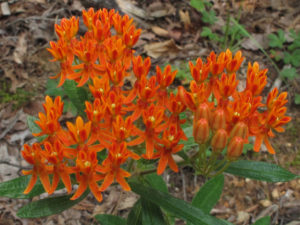 (as it is a favorite home to the Monarch butterfly), or Pleurisy Root, Asclepius tuberosa is a spectacular flower, and sadly, “At-Risk” in the wild. We can easily grow Butterfly Weed from seed, sown in the fall, or it can be propagated from root cuttings. This showy Milkweed is used as a diaphoretic (promotes sweating), antispasmodic, expectorant and a tonic. As one of its common names indicates, it was often used for pleurisy and lung and bronchial congestion.
Another local milkweed I love is Inmortal, AKA, Antelope Horns, Asclepius asperula, which grows wild on my front property where it is dry and the soil is shallow. It seems to thrive hardily and is used medicinally. Mid-wives use 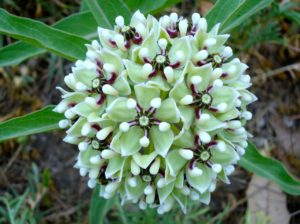 Asclepius asperula, to facilitate childbirth. According to Herbalist, Michael Moore, the aerial part of the plant is good for the Respiratory System and also helpful for the heart. This plant is elusive and oh so beautiful!!. Look at it closely.
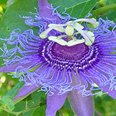
Passionflower, Passiflora incarnata. This easily grown climber’s leaves and flowers are used as an herbal sedative. Fresh Passionflower Tincture is made here at EZ Herbs from the fresh plant. Its non-addictive sedative properties treat insomnia; it can help regulate blood pressure and also acts as a pain killer. It is best to plant a transplant, in the sun in early spring.
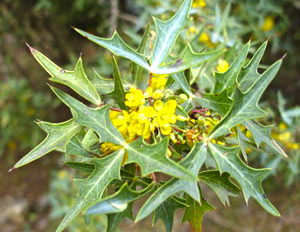
Agarita, Mahonia trifoliolata. This common wild plant grows abundantly in fields, meadows and wooded areas. The stems and bright yellow root of the herb are known for their anti-viral and digestive properties, as it is high in berberine. The tasty red berries are used to make a delicious jam. The Native Americans used it for toothaches. EZ Herbs now carries fresh Agarita Tincture made from freshly harvested branches. Great for digestive health and liver support.
Cedar, Juniperus ashei. This prevalent hardwood tree has useful blue berries that act as a urinary antiseptic. It can also be used for indigestion, colic and flatulence. Eating one juniper berry a day prior to cedar fever season can help ease the uncomfortable symptoms of Cedar Fever.
Check back soon to register for this Fall’s Native and Cultivated Plant Walk on Sauturday, Oct. 27th. Or email Ellen@ezherbs.net for registration information.
Other native and naturalized herbs to review and learn more about include:
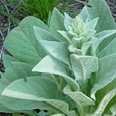
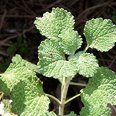
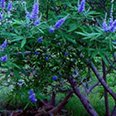
Mullein, Verbascum thapsus; Chasteberry tree, Vitex agnus-castus; Goldenrod, Solidago altissima; Yellow Dock Root, Rumex crispus; Cleavers, Galium aparine; Frostweed, Verbesina virginica; Black Haw, Viburnum rufidulum, Cardinal flower, Lobelia cardinalis, Yaupon, Ilex vomitoria, Prickly pear cactus, Opuntia engelmanni; Turk’s cap, Malvaviscus arboreus v. drummondii