Aloe
Vera
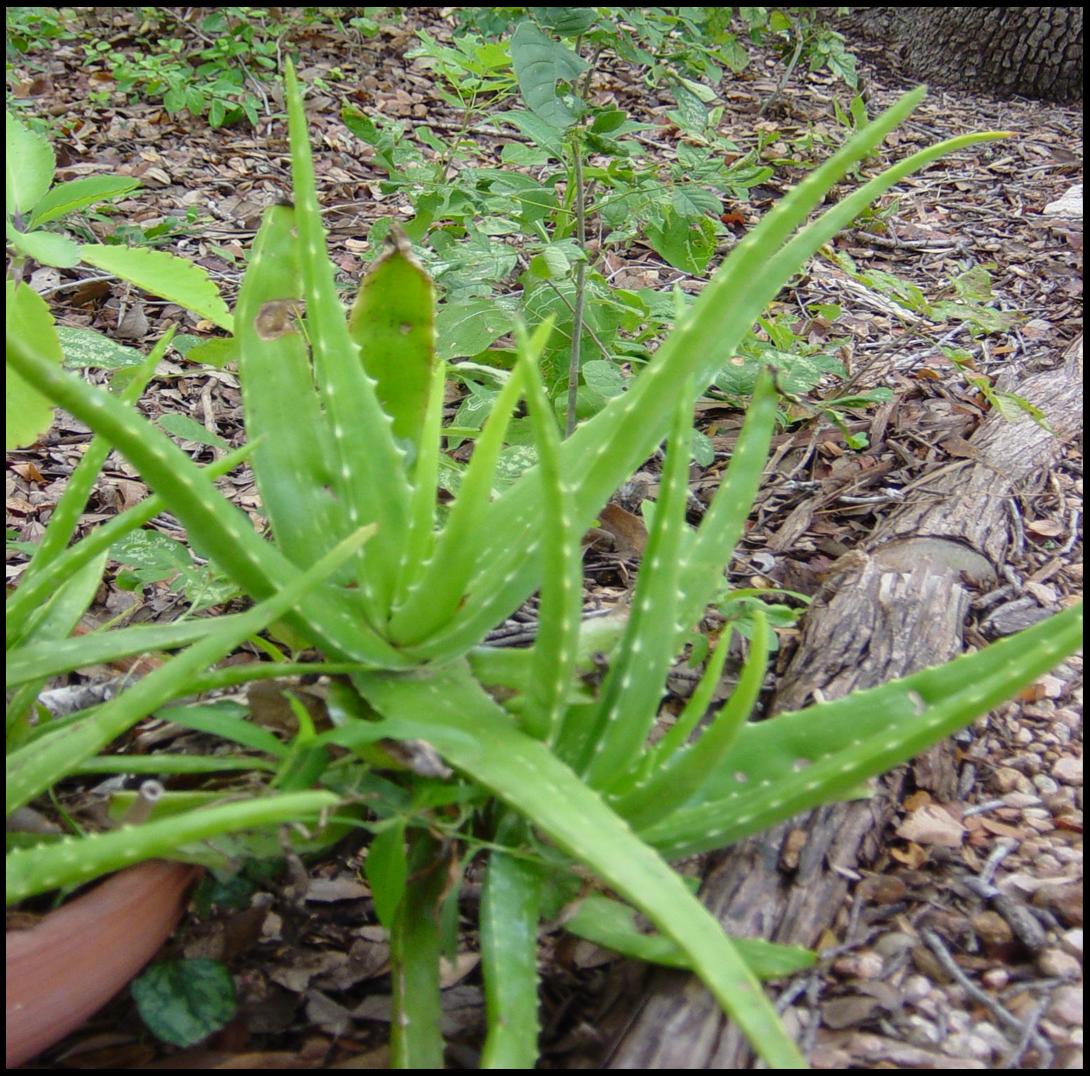 Aloe vera
has a long history of medicinal use dating back approximately 4000
years. The earliest documented use appeared on ancient Egyptian
papyrus in 1500 BC and on Mesopotamian clay tablets. The tablets
described
Aloe as useful in curing infections, treating skin problems and as a
laxative. The ancient Greek physician, Dioscorides, used Aloe
for mouth infections, sores, wounds and as a purgative. References
to its use as a healing agent can be found in early Egyptian, Chinese,
Greek, Indian and Christian literature. Aloe vera
has a long history of medicinal use dating back approximately 4000
years. The earliest documented use appeared on ancient Egyptian
papyrus in 1500 BC and on Mesopotamian clay tablets. The tablets
described
Aloe as useful in curing infections, treating skin problems and as a
laxative. The ancient Greek physician, Dioscorides, used Aloe
for mouth infections, sores, wounds and as a purgative. References
to its use as a healing agent can be found in early Egyptian, Chinese,
Greek, Indian and Christian literature.
In Egypt, Aloe was called “the plant of
immortality” and was given as an offering at the funerals of pharaohs.
Dried Aloe will resurrect in water, so a cut leaf will last a long time.
Queens Nefertiti and Cleopatra included Aloe cream in their
beauty regimes. For centuries, Medical folklorists called Aloe
the “medical plant” or “the potted physician”. Throughout the
ages,
Aloe has been used for many of the same conditions as it is today –
particularly to relieve constipation and ease minor cuts and burns.
Primary constituents of Aloe gel are
polysaccharides and water. These constituents are anti-inflammatory,
wound-healing and helpful in relieving an itch. The Gel is frequently
used for minor burns, sunburns, x-ray burns and wounds. When faced with
a minor burn, a fresh leaf may be cut and the mucilaginous matter of the
inner leaf applied directly to the burn. The more immediate the
application of Aloe gel, the greater the benefit to the injury. Aloe
restores skin tissues, aids in the healing of burns and sores, and can
also be used on blemishes and dandruff. It is used effectively on poison
ivy, particularly when mixed with Kloss’ liniment. Modern doctors have
used Aloe for x-ray burns, traumatized tissue, bedsores, skin
inflammation, stomach ulcers, herpes simplex, periodontal surgery,
insect bites and stings, irritating plant stings and other minor skin
manifestations. When applied to wounds, Aloe gel is a mild
anesthetic, relieving itching, swelling and pain. In addition,
it’s antibacterial, antifungal, increases blood flow to wounded areas,
and stimulates fibroblasts, the skin cells responsible for wound
healing.
Aloe
gel is included in many over-the-counter skin lotions, salves, shampoos,
conditioners, cosmetics and juices. The gel’s use in cosmetics has been
boosted by claims that it has similar anti-aging effects to Vitamin A
derivatives. Rich in Vitamin C, amino acids and enzymes, Aloe is
easily absorbed through the skin, acting as an astringent to reduce the
size of facial pores. It is an ingredient in my
EZ Herbs Perfect Cream, a luxurious, natural moisturizer having both
medicinal and cosmetic value. Additionally, Aloe gel aids in
treating acne, abrasions, rashes and psoriasis, athlete’s foot, insect
bites and stings, cold sores, cuts and prickly heat. It also
offers benefits to the hair and scalp.
The yellow latex, AKA resin or sap, is found in the leaf
lining of the plant. For medicinal use as an herbal laxative, the
leaf lining is dried and the residue is used to relieve constipation.
The laxative effect from Aloe is stronger than that of any other
herb, including Cassia acutifolia, senna; Rhamnus
purshiana, Cascara sagrada; or Rheum palmatum, rhubarb root.
Along with the strong laxative effects of Aloe, come the severe
side effects such as cramping, diarrhea and nausea. Because of its
severe side effects, Aloe is seldom recommended as a first choice
among laxative preparations.
Aloe vera
is an extremely important plant for social, medicinal and everyday
practical household use. Explore the numerous values and uses of Aloe
and multiply its benefits to you and your family. |